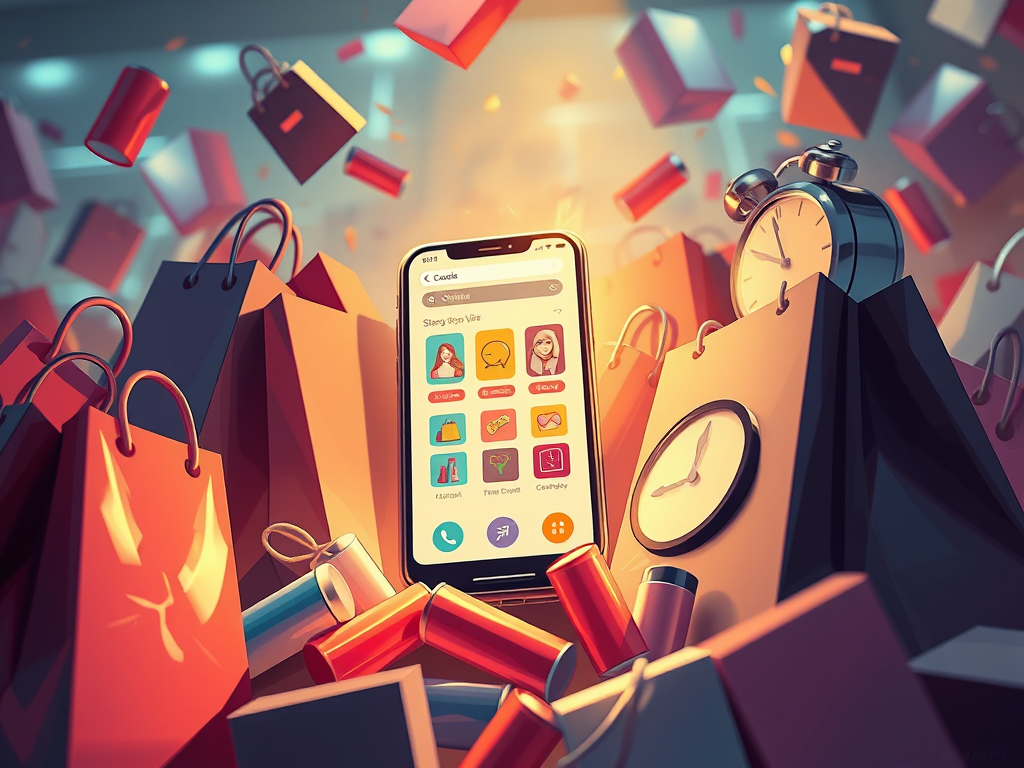
Raise your hand if you’ve ever browsed “just to look,” and three carts later thought, Why do I own six lip balms… and three are unopened?
Let’s gently blame the tech, because yes, your shopping habits have been slickly engineered.
Recommendation Engines: Your Digital Matchmaker (Or Enabler)
Ever wondered why that dress you didn’t know you wanted is staring at you from every corner of the internet?
That’s the work of AI-powered personalization. It uses your browsing history, past purchases, and even your social media likes to feed you suggestions so eerily relevant, you wonder if it’s reading your mind. Nearly 65% of e-commerce stores say personalization literally increases conversion rates, and 83% of consumers are okay with sharing data if it means better recs.
Scarcity and Urgency: The “Buy Now or Cry Later” Tactic
Ever seen “Only 3 left!” or “Deal ends in 2 hours!” banners and felt a panic buy itch?
That’s not accidental, scarcity and urgency are cognitive triggers proven to boost purchases. Research shows these triggers deeply influence how we make decisions.
Behavioral Analytics: The Creepy Habit Detectives
Behind every “You might also like…” is behavioral analytics analyzing your every click, scroll, and hover. It’s the reason why products you almost clicked reappear like an ex sliding into your DMs.
These tools connect your browsing patterns to broader profiles, and when fed through personalization engines, they’re business gold.
Dopamine-Driven Design: The “Addicted-by-Design” Loop
Online shopping triggers a tiny dopamine rush, like a mini happy dance in your brain. The problem? Casinos recognized this trick decades ago, and online shops use it too.
Tech designed to be addicting exploits unpredictable rewards. That surprise discount or nice packaging? It’s intentionally pleasurable, and yes, habit-forming.
When Habit Turns Into Compulsion
Let’s get real: some of us go from casually clicking “Add to cart” to spending thousands we didn’t plan on.
Researchers estimate around 3% of people are truly online shopping addicts, with another 11% at risk. Traits like anxiety, impulse control issues, and the need for emotional escape heighten the risk.
Some tech, like quick payment buttons and one-click purchases, remove all barriers. And if you’re stressed or anxious, that barrier-lifting is a fast track to regret.
In Short…
- Algorithms nudge you toward stuff that sparks dopamine.
- Timed offers and notification ping, they’re built to make you act now.
- Behavioral tracking means you get targeted… everywhere.
- And if your emotional state is fragile, it’s a recipe for compulsive buying.
Understanding this isn’t about guilt it’s about awareness. Now that we know the game, maybe we can shop smarter, set timers, or hide that credit card info.

 Days in the Life of Mo
Leave a Reply