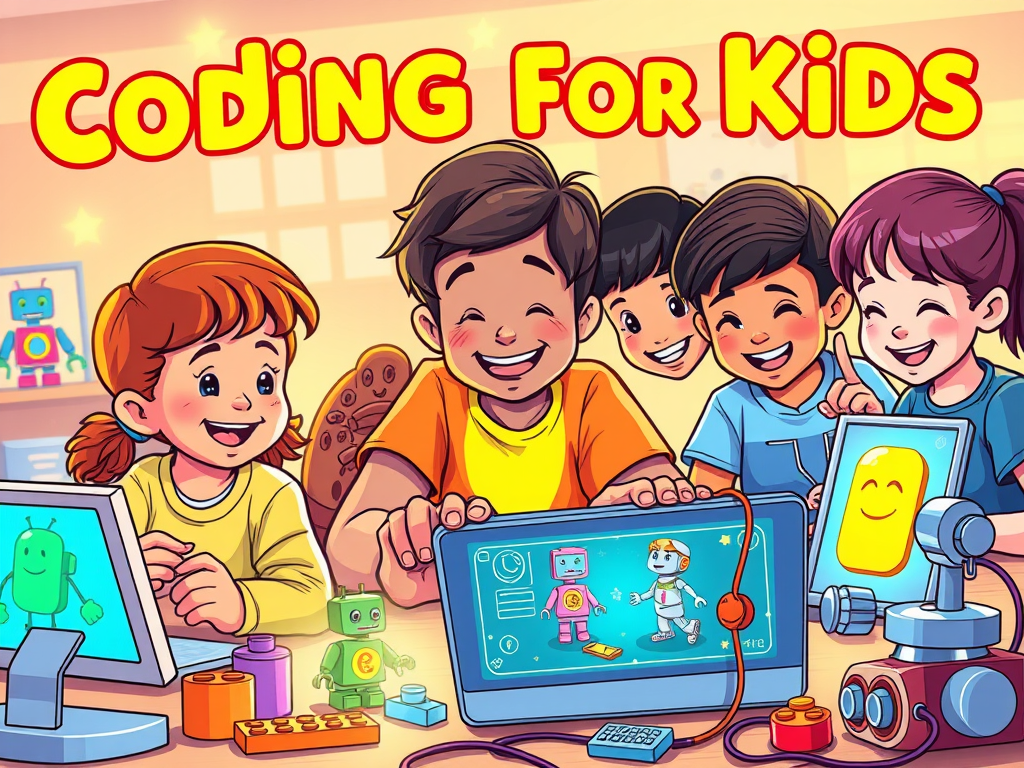
Remember when we used to play Snake on a Nokia and thought that was technology? Kids today are growing up in a world where AI can doodle for you, fridges can nag you, and your smartwatch might judge your sleep schedule. If we want them to code instead of just scroll, we have to make it fun, engaging, and maybe a little magical.
Here’s the secret: coding for kids isn’t about memorizing syntax. It’s about storytelling, games, and creation.
1. Gamify the learning
Kids love games. Platforms like Scratch and Code.org turn coding into an interactive adventure. According to Code.org, 93% of teachers say that students develop problem-solving skills when they use coding games in class. It’s like letting them play Fortnite… but with logic and loops instead of loot crates.
2. Build tangible projects
Nothing sparks excitement like seeing your code come to life. LEGO Robotics kits, micro:bit devices, and Raspberry Pi projects teach kids coding in a hands-on way. Kids can program a robot to dance or a tiny LED to blink; basically, magic in pocket-sized form. Research shows hands-on STEM experiences increase long-term engagement and confidence in technology.
3. Storytelling with code
Coding isn’t just numbers; it’s storytelling. Encourage kids to create simple games or animations that reflect their favorite stories or characters. Tools like Tynker let them script their own worlds, blending creativity with logic. This helps them understand sequencing, debugging, and creative problem-solving all at once.
4. Safe spaces to experiment
Mistakes are part of the process. Create an environment where kids can fail safely. Bugs aren’t bad; they’re tiny lessons. Online communities like Scratch Studios allow kids to share their projects, get feedback, and learn from peers, creating a supportive coding culture.
5. Mix coding with real-world fun
Coding can intersect with art, music, and even science experiments. Apps like Hopscotch and Kodable use bright visuals and playful challenges to teach loops, conditions, and events in ways that feel like play, not homework.
The goal? Spark curiosity, foster problem-solving, and maybe inspire the next Zuckerberg; or at least someone who can fix your Wi-Fi when it dies at 2 a.m.
Kids will mirror your excitement. If you show joy in experimenting and tinkering, they’ll follow suit.
Curious about more ways tech sneaks into everyday life and how we can play with it responsibly? Subscribe for more stories, casual tech talk, and my keyboard-fueled chaos adventures.





 Days in the Life of Mo
Leave a Reply