
There are days when my brain runs smooth; like a fresh server reboot, fans humming quietly, CPU usage steady at 20%. Life feels efficient. Manageable.
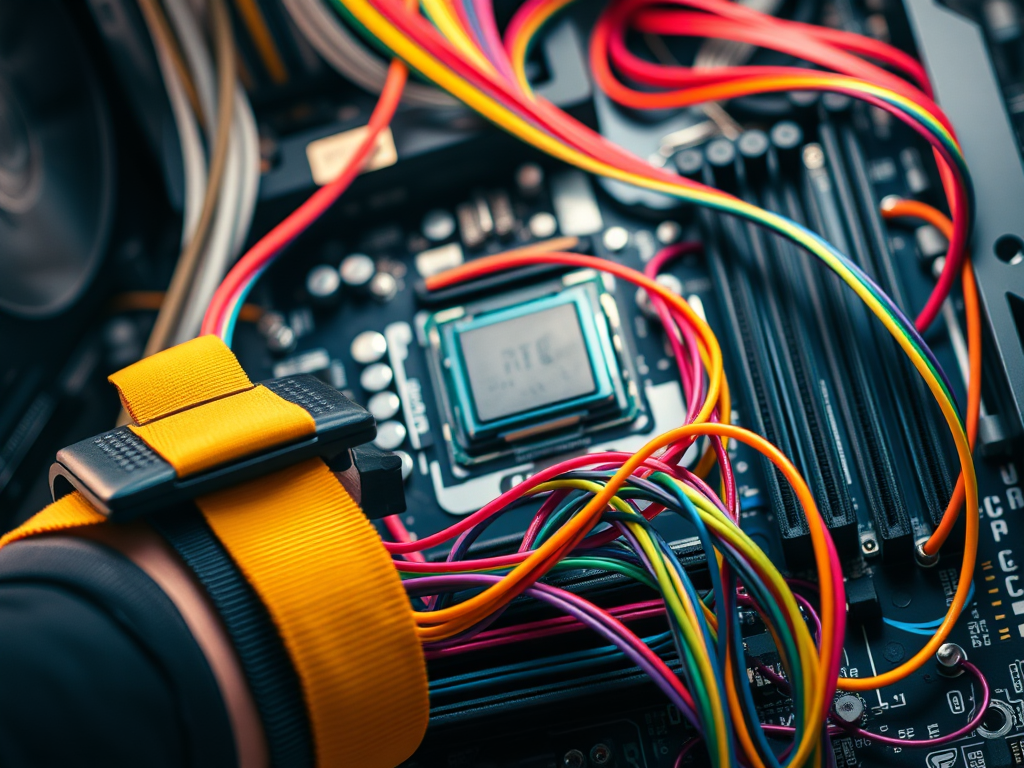
And then there are days when it feels like my mental processes are sitting at 99% CPU, RAM maxed out, and the cooling system is screaming for mercy. Basically: my brain feels like an overloaded server.
Requests I Cannot Handle
Emails. WhatsApps. Work tickets. Student questions. Family group chats debating who took the black comb. It’s endless requests hitting the system, and somehow every single one of them is marked URGENT.
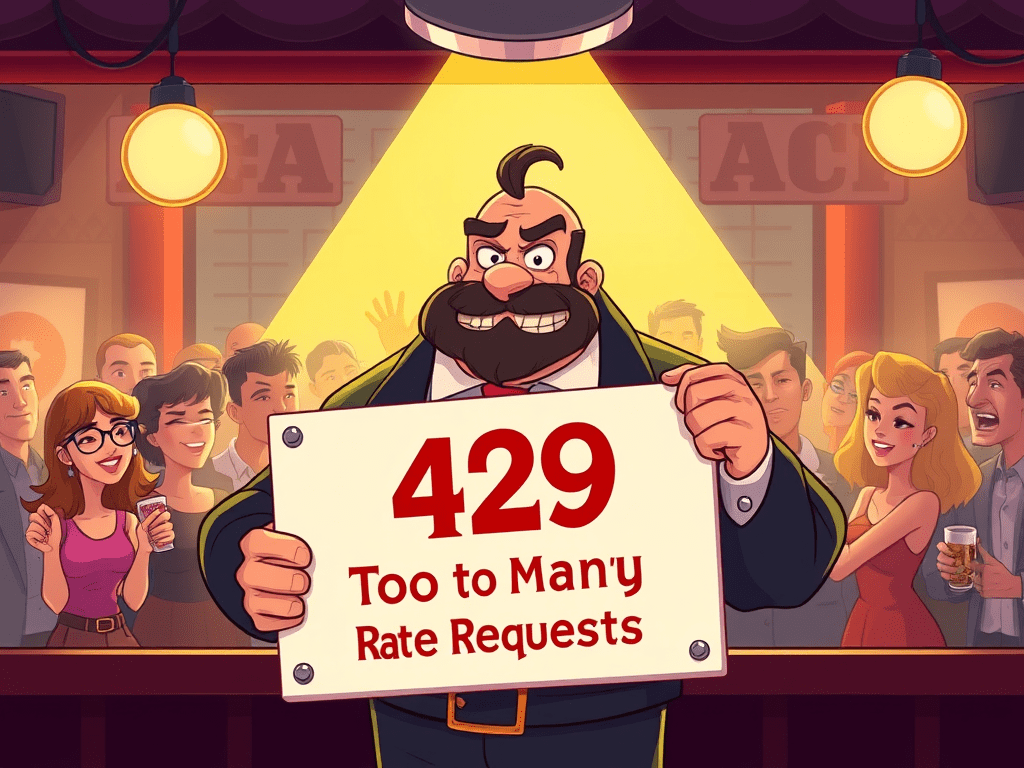
You know what that’s called in tech? A Denial-of-Service attack. One system, overwhelmed by too many incoming requests, crashes. But when it’s your brain, you can’t just unplug the router and wait it out.
And the science backs it up: studies show that mental overload doesn’t just feel exhausting, it literally reduces cognitive performance. According to the American Psychological Association, “when demands exceed our cognitive resources, performance suffers, and errors increase”. Which explains why I once poured orange juice into my coffee.
Cache Overflow
Our brains are wired with working memory; basically RAM for humans. The famous psychologist George Miller suggested in 1956 that our working memory holds about 7 ± 2 chunks of information at a time. Translation: if you’ve got a shopping list, a to-do list, and three browser tabs of existential dread open in your head… something is going to crash.
And when it does? You’re left staring at your laptop like: What was I doing again?
Error 500: Internal Brain Error
The worst part isn’t even the overload; it’s the guilt. Servers don’t feel bad when they crash. They just return an “Error 500” and call it a day. But humans? We spiral. We tell ourselves we should be more productive, more focused, more disciplined.
Meanwhile, research from the World Health Organization shows that chronic stress can actually impair your brain’s ability to regulate memory and learning. In other words: you’re not failing because you’re weak. You’re failing because your system wasn’t designed to run infinite processes simultaneously.
The Maintenance Window
That’s why servers have downtime. Maintenance windows. Patches. Updates. But humans? We wear our overload like a badge of honor. “I only slept four hours last night!” we say, as though that’s a flex and not a sign that your hardware warranty is about to expire.
What would happen if we treated our brains like servers? Regular maintenance. Scheduled rest. Monitoring logs. Adding more memory (okay fine, that one’s trickier for humans, unless you count caffeine).
So here’s my theory: if your brain feels like an overloaded server, maybe it’s because you’re trying to run production 24/7 with no downtime. Maybe the fix isn’t more hustle but more maintenance.
Because at the end of the day, even Google has downtime. And if the internet itself can blink out for a few minutes without collapsing civilization, so can you.
If your brain has ever returned an “Internal Error” while you were standing in the kitchen wondering why you opened the fridge, welcome to the club. Subscribe for more dev-brain rambles, half-serious tech metaphors, and the occasional reboot button disguised as a story.


 Days in the Life of Mo
Leave a Reply