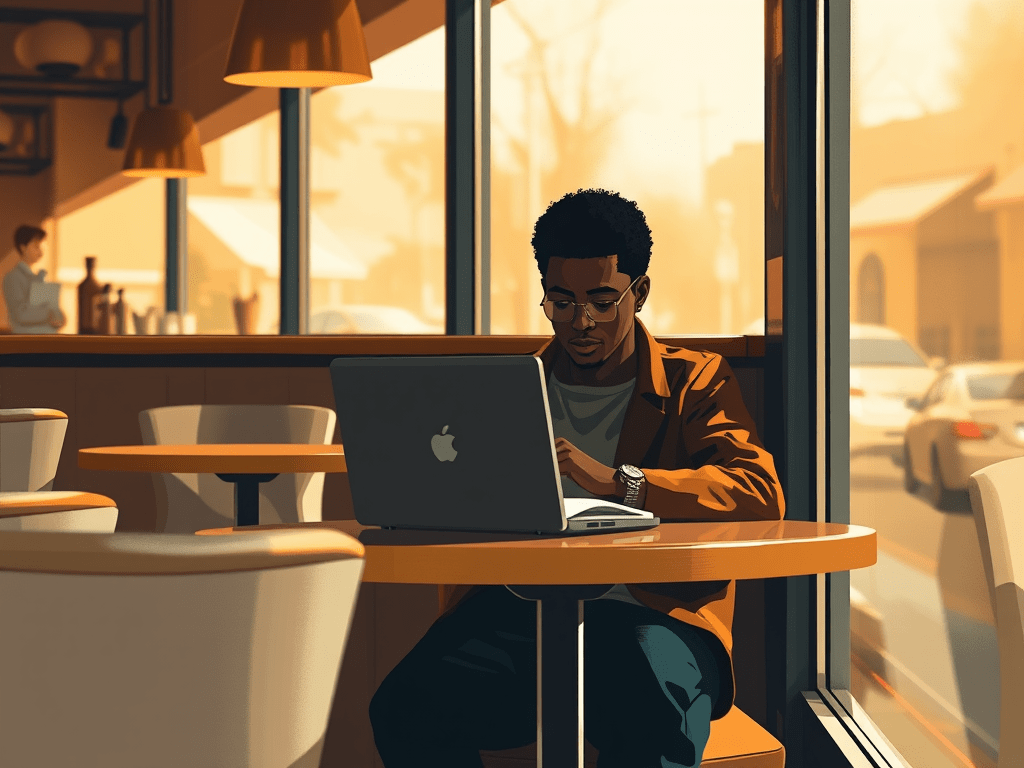
There’s a sacred moment that happens right after someone mentions an article you’ve definitely not finished.
You lock eyes, nod with the confidence of a well-read philosopher, and say:
“Oh yeah, I saw that one!”
You didn’t. You saw the headline, maybe the subheading, possibly the first paragraph if your coffee hadn’t cooled yet.
But you felt informed, and that’s what matters, right?
Well… not exactly.
The modern epidemic of the ‘I-read-that’ nod
We live in a time where reading something fully is a luxury hobby, not a habit.
According to data from the Pew Research Center, about 26% of Americans didn’t read a single book last year, digital or physical. Yet, somehow, everyone has an opinion on everything. From quantum computing to whether AI is sentient (spoiler: it’s not, it’s just good at predicting your next word).
The internet has turned us all into intellectual magpies, collecting shiny headlines and carrying them into conversations like badges of depth.
We’re not reading to understand anymore; we’re reading to perform.
The psychology of pretending
Let’s be honest: we don’t lie about reading because we’re malicious. We lie because we want to belong.
Social psychologist Robert Cialdini talks about social proof, the idea that people look to others to decide what’s valuable or true. If everyone’s quoting that new Atlantic article about “the death of nuance,” you’re not about to admit you stopped halfway through the paywall message.
It’s survival of the fittest, intellectually speaking.
But here’s the kicker: the brain can’t actually tell the difference between understanding something and recognizing it.
Cognitive scientists call this the illusion of explanatory depth, we think we understand things deeply just because we can explain them vaguely. Like saying, “I get how Bitcoin works, it’s like… digital money, right?”
Skimming: the new reading
In 2018, Maryanne Wolf, author of “Reader, Come Home”, warned that the way we consume online text is reshaping our neural pathways.
We’re training our brains to skim, not because we’re lazy, but because there’s just too much to read.
Every scroll, every click, every “10-minute read” that’s actually a novella is conditioning us to grab the gist and move on.
We tell ourselves we’ll come back later. We won’t. Later’s booked.
So, what happens next?
We end up quoting paragraphs we never reached.
We start referencing think pieces based on screenshots.
And sometimes, when the world feels too loud, we cling to the illusion of having kept up.
The comfort of pretending
There’s a strange comfort in pretending we read. It keeps us in the conversation, in the know, even if just by a thread.
Because in an age where information moves faster than our ability to digest it, staying silent feels like falling behind.
So we play along. We “skim-read” the internet, like tourists in a museum, pausing at whatever looks deep enough for an Instagram caption.
And honestly? I get it.
But what if we slowed down?
What if, instead of nodding, we said:
“I only skimmed it, what stood out to you?”
It’s vulnerable, yes. But it’s also real.
We’d start having conversations again, not headline battles.
We’d start thinking again, not just sharing.
And maybe, just maybe, we’d find that honesty is more refreshing than pretending we read a 12-page think piece about the fall of Web 3.0 (you didn’t, and neither did I).
So, next time you say, “Yeah, I read that,” pause.
Ask yourself:
Did you read it?
Or did you skim it with passion?
Because if the internet’s a buffet, we’re all just pretending we had the salad before the dessert.
Like this post?
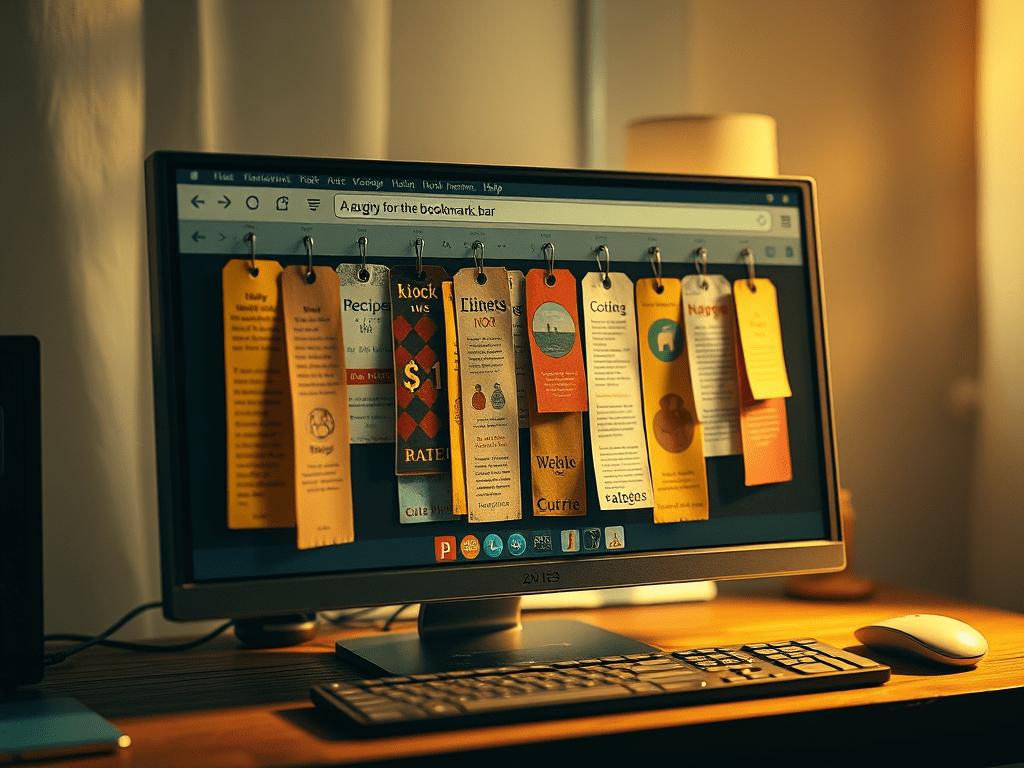
Subscribe for more curious, unfiltered dev thoughts from your friendly neighborhood coder who still has 27 unread tabs titled “must read later.”

 Days in the Life of Mo
Leave a Reply