
We all know burnout from work. You know, deadlines piling up, coffee cups multiplying like rabbits, and your brain quietly whispering “ctrl+alt+delete me.” But what about digital burnout? That sneaky cousin of regular burnout where the thing draining your soul isn’t your boss… it’s your Wi-Fi router.
Let’s be real: we live online. Work, friends, banking, groceries, even therapy; there’s literally an app for everything. And while being always connected is amazing for productivity (and memes), it’s also exhausting. A 2023 Deloitte survey found that 77% of professionals have experienced burnout at their jobs, with constant digital communication being one of the biggest contributors.
Translation? Even your Slack notifications are out here slowly chipping away at your sanity.
Signs You Might Be Digitally Burnt Out
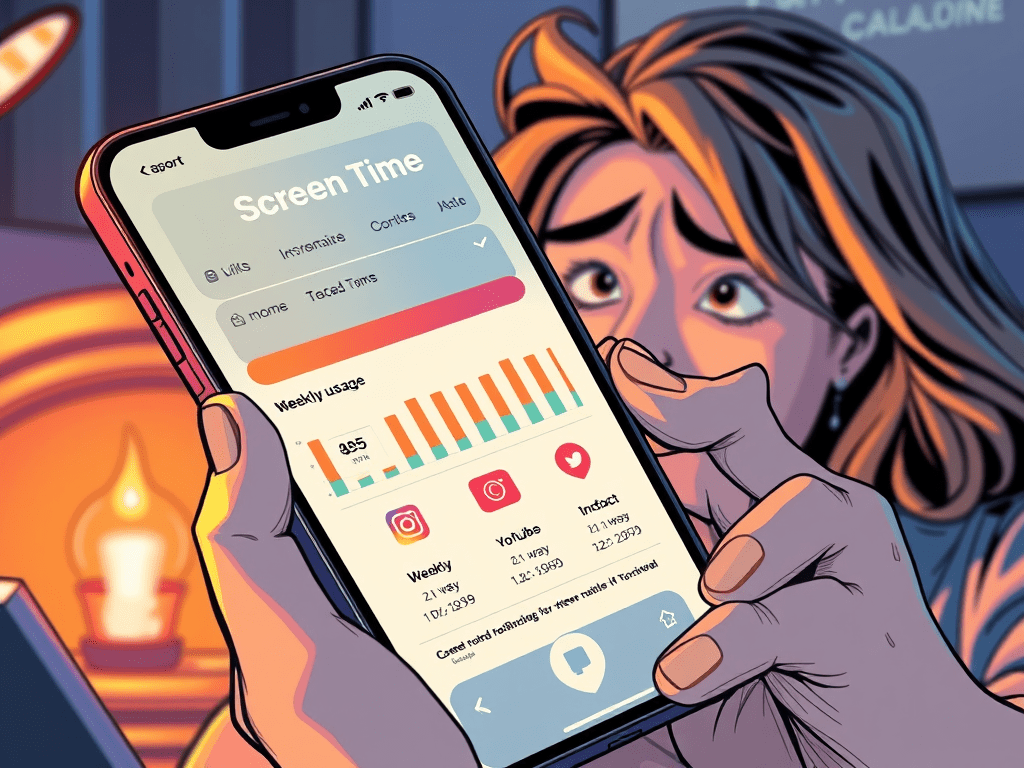
You doomscroll like it’s a sport. You promised yourself just 5 minutes on TikTok, but now it’s 1 a.m., and you know way too much about penguin mating rituals.
- Every ping = mini heart attack. Emails, Teams, WhatsApp, Instagram DMs… your phone sounds like a slot machine, and instead of jackpot, you win anxiety.
- Your eyes hate you. Staring at a screen all day = digital eye strain, migraines, and that weird moment when your vision takes a second to catch up after you blink.
- No offline hobbies. If your “break” from your laptop is… scrolling on your phone, congrats; you’re in the burnout Olympics.
The World Health Organization (WHO) even recognizes burnout as an occupational phenomenon, and guess what? Our digital lives have blurred the line between job stress and life stress so much, it’s basically the same thing now.
Why Does This Happen?
Because the internet never sleeps. And neither do we, apparently.
Apps are designed to keep us hooked (thanks, infinite scroll + “recommended for you” algorithms). Psychologists even compare social media notifications to slot machines, engineered to release dopamine every time you “win” a like or comment. It’s not just distraction; it’s digital dependence.
Add remote work into the mix? You’re not just online; you’re basically living in your inbox. Studies show remote workers are more likely to struggle with overwork and blurred work-life boundaries. So yeah… the burnout is real.
So, How Do You Log Off (Without Moving to a Cabin in the Woods)?
- Digital sabbaths. Pick one day a week to go low-tech. No Slack. No Twitter. Just vibes (and maybe actual trees).
- Boundaries are a feature, not a bug. Stop answering emails at midnight. Your future self will thank you.
- Notifications detox. Turn off push notifications. (Hot take: if it’s truly urgent, they’ll call.)
- Rediscover analog joy. Read a paperback. Go for a walk. Bake bread. Touch grass (literally).
- Use tech to fight tech. Apps like Freedom and Forest literally block your access to time-sucking sites so you can breathe offline.
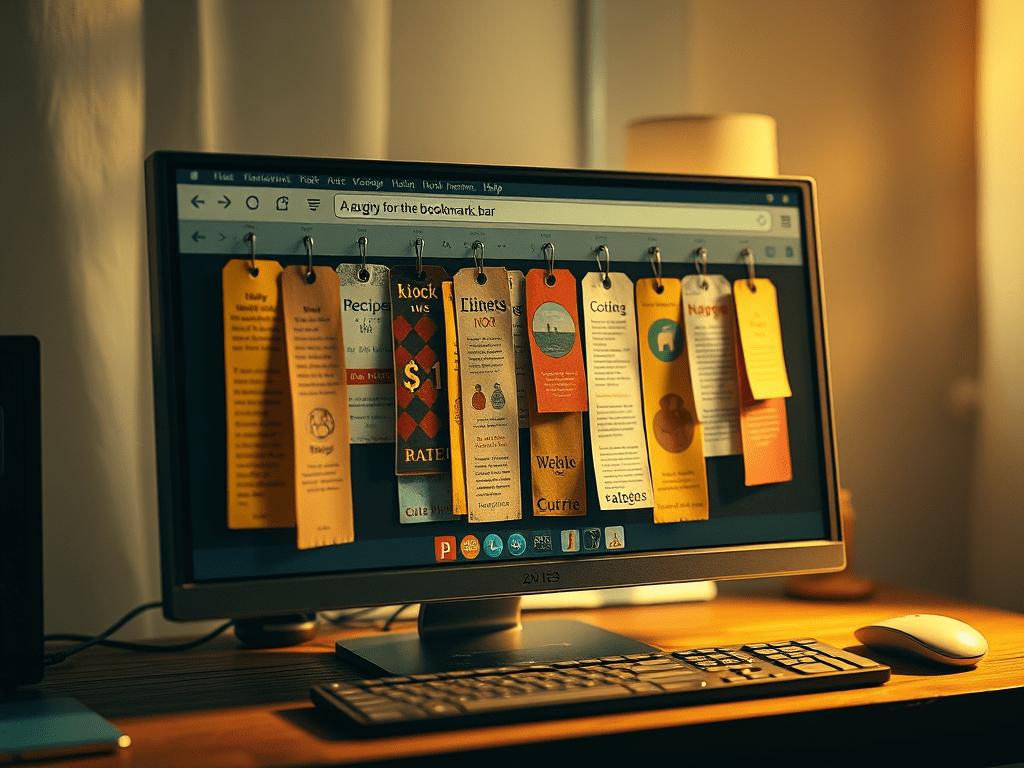
Think of it like debugging your brain; sometimes you need to pause, reboot, and uninstall the tabs running in the background of your mind.
The internet is brilliant. It connects us, teaches us, entertains us. But if you ever feel like you’re drowning in tabs (both digital and mental), it’s okay to close the laptop and walk away. The world, and your inbox, will still be there when you get back.
So if you’ve been thinking about taking a little “vacation” from the internet? This is your sign.
Enjoyed this post? Consider it your gentle reminder that even techies need tech breaks.
Your feedback helps me write better, healthier tech content and honestly, it’s nice to know I’m not the only one fighting for my life against my notifications.



 Days in the Life of Mo
Leave a Reply