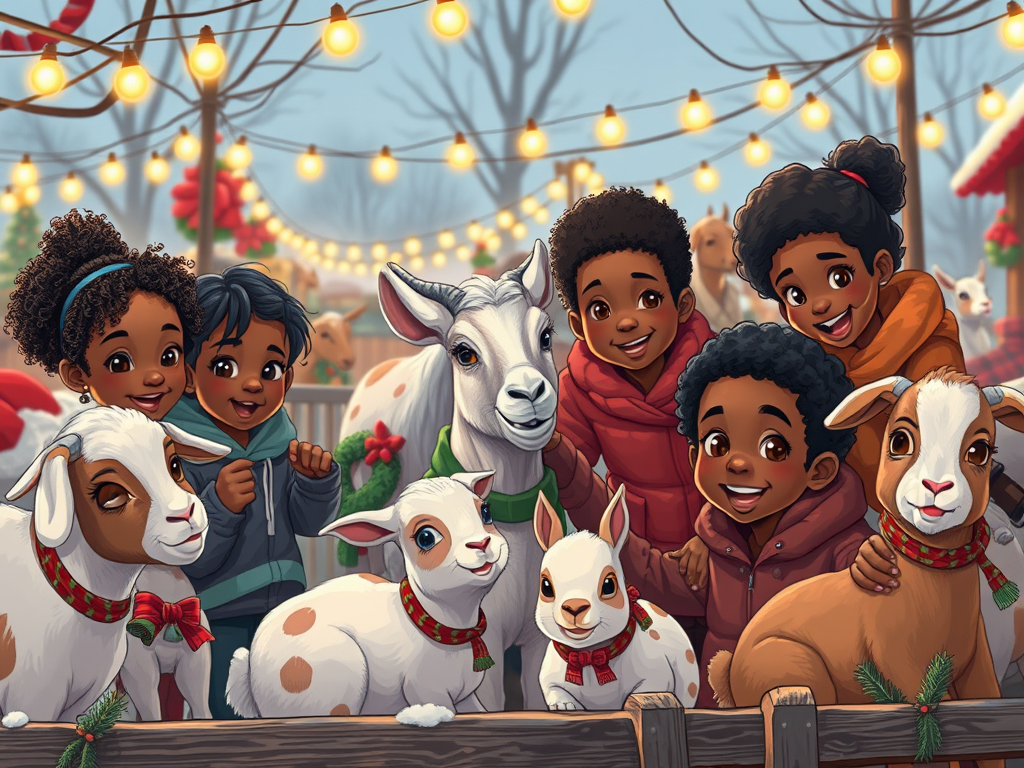
You walk into a petting zoo.
There are goats, rabbits, ponies, and at least one child holding a bucket of feed like it’s a matter of national security.
You don’t know it yet, but you’ve just stepped into the perfect analogy for Object-Oriented Programming.
Welcome to The OOP Zoo.
The Zoo Gate: Where Everything Begins (aka the “Class”)
Think of a class as the blueprint for an animal.
It doesn’t exist yet, it just tells you what every animal should have.
A name. A species. A sound. Maybe a feed() method because, well, these goats don’t feed themselves.
public class Animal {
    public string Name;
    public string Species;

    public void Feed() {
        Console.WriteLine($"{Name} is happily eating!");
    }
}
The class is your zoo’s grand design.
It doesn’t represent one goat, it represents goathood.
Every goat, rabbit, or pony will be built from this same pattern.
Meet the Animals: Objects Come to Life
When you actually instantiate those animals, you’re creating real, living (well, sort of) zoo residents.
var goat = new Animal();
goat.Name = "Billy";
goat.Species = "Goat";
Billy the goat now exists.
He’s not a concept, he’s an object.
And like any good object, Billy knows things (his attributes) and can do things (his methods).
That’s OOP’s first secret: you’re not just writing code, you’re creating little worlds of data and behavior that live together in harmony (unless your goat escapes, which, in both programming and real life, happens more often than you think).
Inheritance: The Family Tree of Chaos
Now, not every animal in your zoo is the same. Goats climb. Rabbits hop. Ponies… judge you silently.
Wouldn’t it be a pain to rewrite all that code for every single animal?
That’s where inheritance saves the day.
public class Goat : Animal {
    public void ClimbFence() {
        Console.WriteLine($"{Name} is climbing the fence again!");
    }
}
The Goat class inherits everything from Animal, name, species, and feeding habits… but it also has its own quirks.
Because, let’s be honest, goats always have quirks.
Inheritance says: Don’t repeat yourself. Just build on what came before.
It’s how your code, and nature, stays sane.
Polymorphism: Same Trick, Different Animals
Now imagine it’s feeding time. You grab the loudspeaker and yell,
“Everyone, eat!”
And somehow, the goats munch, the rabbits nibble, the ponies graze.
Same command. Different behaviors.
That’s polymorphism, a fancy Greek word for “many forms.”
public class Rabbit : Animal {
    public override void Feed() {
        Console.WriteLine($"{Name} is nibbling carrots!");
    }
}
The Feed() method works differently for each animal, but you don’t have to remember how, you just call it, and OOP handles the rest.
It’s the beauty of abstraction, you care about what happens, not how.
Encapsulation: Don’t Touch My Carrots
Every zoo has rules. You can look at the animals, but you can’t mess with their internal workings.
That’s encapsulation, the idea that an object protects its own data.
You interact with it through safe, public methods, not by poking at its private variables like an overexcited toddler with a stick.
public class Rabbit {
    private int carrotsEaten = 0;

    public void FeedCarrot() {
        carrotsEaten++;
        Console.WriteLine($"Yum! Total carrots eaten: {carrotsEaten}");
    }
}
Encapsulation keeps everything clean, safe, and logical — so your code doesn’t turn into the programming equivalent of a runaway pony.
The Big Picture: Why It All Matters
Object-Oriented Programming isn’t just a style, it’s a way of thinking.
It helps us organize code like a zoo organizes animals: with order, clarity, and just enough chaos to make things interesting.
It allows collaboration without collision. Reuse without repetition.
And maybe most importantly, it helps us build systems that behave.
Because when your project grows (and it will), you’ll thank yourself for designing it like a well-run zoo, not a wild safari.
Final Thoughts from the Petting Zoo
OOP has been around since the 1960s, first conceptualized by Ole-Johan Dahl and Kristen Nygaard through a language called Simula. It’s stood the test of time because it mirrors how humans already think: in terms of things and what they do.
And honestly? That’s kind of poetic.
So next time you’re writing classes, picture your code as a tiny zoo, full of life, logic, and the occasional goat breaking free.
Now go build something beautiful. And maybe feed your variables once in a while.
Enjoyed the ride through the OOP Zoo?
Subscribe for more dev musings, half-serious metaphors, and casual tech talk from a girl who codes by day, writes by night, and occasionally uses goats to explain code.


 Days in the Life of Mo
Leave a Reply