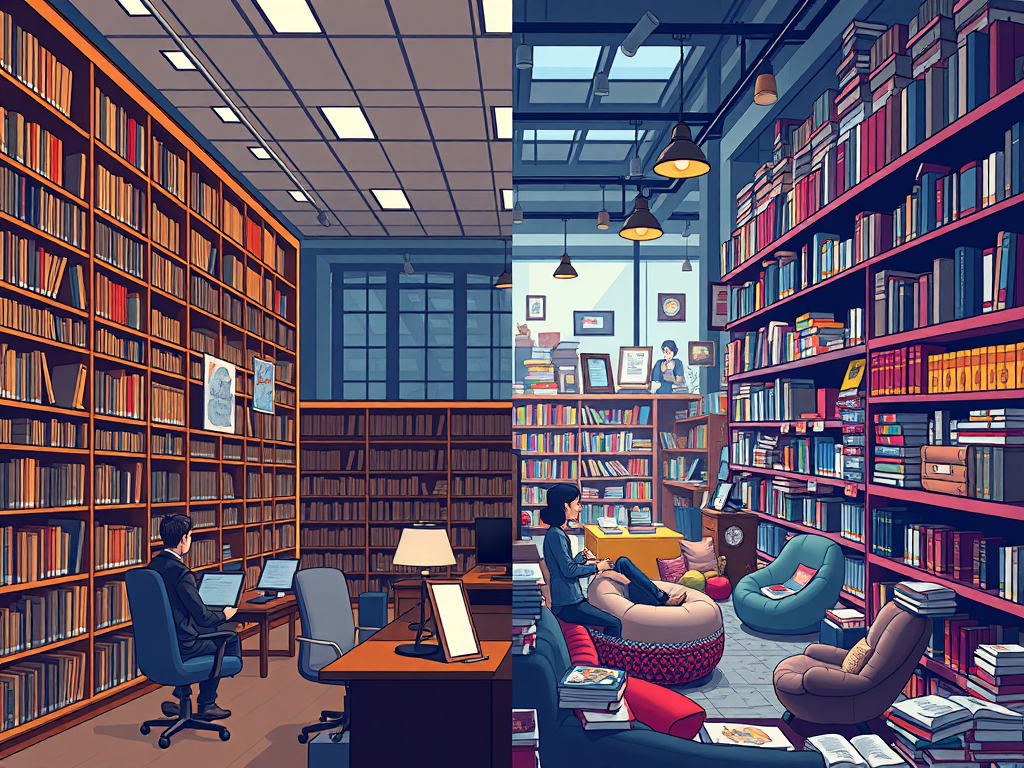
You ever notice how every dev swears their favourite database is “the best one,” the same way book people swear paperbacks smell better than hardcovers?
(They don’t. Hardcovers objectively win. I said what I said.)
Lately, I’ve been thinking about databases, not in the “oh no, the migration failed at 11pm” way, but in a more philosophical, “what if databases were libraries?” kind of way.
Because honestly, once you see them through that lens, their personalities become painfully clear. And sometimes funny. And sometimes concerning.
So… let’s go on a little tour.
1. The SQL Library: The Big National One With Rules, Systems, and a Security Guard Who Does Not Play

Imagine walking into a massive, well-funded national library. Everything is neatly catalogued. The chairs all match, like they had a meeting and voted. When you ask for a book, the librarian knows exactly where it is because there’s a whole Dewey Decimal system waiting to guide you.
That’s SQL.
Structured.
Organized.
Predictable.
A little dramatic if you break one rule.
It’s the kind of place that would say, “Oh, you changed the structure of the shelves? DROP TABLE?”
This is why banks, hospitals, and companies that like not being sued rely on SQL databases. They need the order, the ACID properties, the guarantees. (For real, the relational model goes back to E.F. Codd’s work in 1970… yes, that long ago.)
SQL is your reliable older cousin who actually reads the manuals for everything.
2. The NoSQL Library: The Quirky Indie Bookshop With Beanbags and Zero Rules
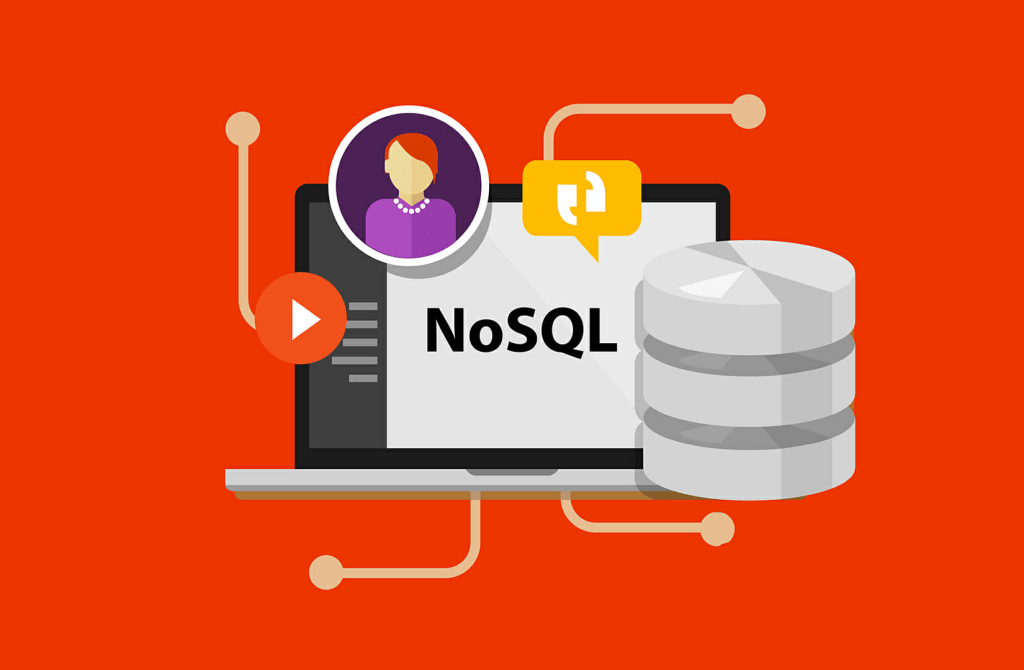
You walk in and immediately see someone sitting on the floor reading a poetry book upside down. The bookshelf categories are things like “Book That Made Me Question My Life Choices” and “Books With Cats On The Cover.”
Nobody minds. Nobody even works there. (Okay they do, but vibes only.)
This is MongoDB, Firebase, CouchDB… the chill kids.
The ones that say, “Schemas? Ew. Let’s just store whatever you send me and hope for the best.”
Flexible.
Fast.
Great for creative chaos.
It’s what you use when you don’t want the strict structure of SQL, or when your data is basically vibes; JSON objects floating in the universe. You can scale horizontally like you’re stretching before a marathon.
NoSQL is the friend who says, “We don’t need to plan. Just get in the car.”
3. The Graph Database: The Detective Agency With Red Strings All Over the Wall

If SQL is order and NoSQL is vibes, graph databases are conspiracy boards.
You know the ones detectives use in movies; photos, red strings, chaotic lines drawn everywhere, and someone yelling, “IT’S ALL CONNECTED!”
That’s Neo4j, ArangoDB, JanusGraph.
They store relationships like it’s their personality.
Perfect for:
- social networks
- recommendation engines
- “people who bought X also bought Y”
- tracking your ex through their likes (don’t do it… but you could)
Meta/Facebook famously moved its core social graph to this idea.
Graph DBs are the librarians that say, “Sure, the book is important… but who checked it out before? And who did they know?”
4. The Time-Series Database: The Weather Archive With 10 Million Boxes Labeled by Day
This is the library that only cares about when things happened.
Each aisle is sorted by time.
Each shelf is sorted by time.
Each book is labelled by time.
Someone sneezed at 2:03pm? Logged.
This is InfluxDB, TimescaleDB, Prometheus.
Great for:
- system metrics
- temperatures
- stock data
- your heart rate when your production server goes down
Time-series databases are the librarians who whisper, “History matters. Everything is a timeline. You’ll see.”
5. The Key-Value Store: The Tiny Lockers You Rent for 10 Minutes at the Mall
Redis. Memcached. DynamoDB.
These are not libraries; they’re storage lockers.
You need something fast?
You need it right now?
You need it to disappear after 30 seconds?
That’s a key-value store.
Key goes in → value pops out.
No systems. No structure. Just speed.
Redis is basically the Usain Bolt of data retrieval.
So… Why Does This Matter?
Because once you see databases as libraries with personalities, choosing one stops feeling like “Which of these terrifying technologies will make my code cry?”
And becomes more like:
“Am I building a national archive, a quirky bookshop, a detective agency, a weather museum, or a mall locker system?”
Every project needs a different kind of library.
And honestly… you’ll probably have to use more than one in your career. You might even fall in love with one (looking at you, Graph DBs, your red string chaos speaks to me.)
What kind of ‘library’ does your app feel like?
Drop it in the comments, I’m curious!
Are you living in SQL National Library energy, or are you deep in NoSQL beanbag culture?
If you enjoyed this post…
Stick around. I’ve got more developer-life analogies, chaotic explanations, and tech stories from my world coming soon.
Subscribe to get new posts delivered straight to you; from one tired dev girl to another person who also definitely has too many tabs open right now.


 Days in the Life of Mo
Leave a Reply