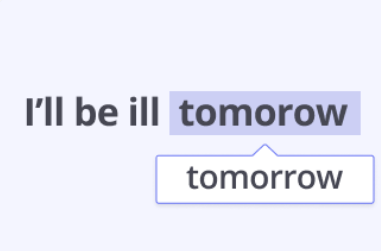
There are few relationships in modern life as complicated, as toxic, and as inescapable as the one between me and auto-correct.
We started out strong. I trusted it. It completed my sentences, fixed my typos, made me look articulate in front of my boss. But over time… things changed.
It became controlling.
Possessive.
Like that one friend who “knows what you mean”… except they don’t.
Now, every time I type “on my way,” it insists I meant “omyway.” Every time I try to say “lol,” it decides I’m “LOL-ing” like a boomer in 2008. And don’t even get me started on how it autocorrects my friend’s name, Tumi, to “Tummy.”
This is not a partnership. It’s a battle for linguistic freedom.
Act I: The Betrayal
The first time auto-correct betrayed me, I was young and naïve.
I texted my lecturer, “Thank you, Sir.”
It sent as: “Thank you, Sin.”
I died inside.
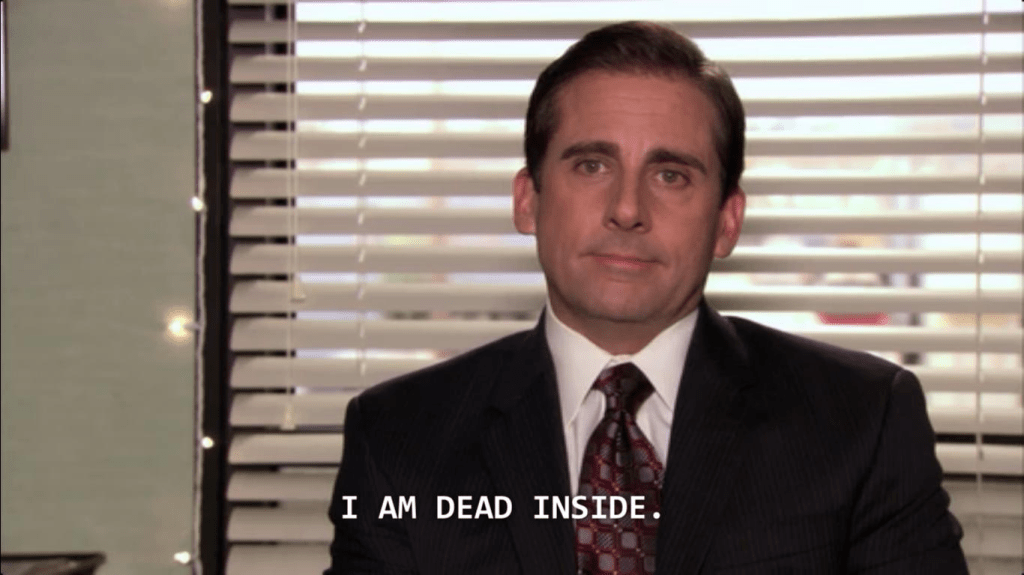
A study by the Pew Research Center found that over 70% of smartphone users have sent a text they later had to clarify because of auto-correct. Seventy. Percent. That’s not a statistic; that’s a collective trauma.
And yet, we never turn it off.
Because deep down, we know: as much as auto-correct hurts us, it’s also saved us from typing “pubic static void Main” one too many times.
Act II: The Gaslighting
Auto-correct doesn’t just make mistakes, it gaslights you.
You’ll type something perfectly fine, watch it get changed, and then doubt your own spelling like you didn’t just pass Grade 12 English.
“Did I really spell necessary wrong?”
“Wait… is it definitely or definately?”
“Maybe I am the problem.”
It’s psychological warfare wrapped in predictive text.
Linguists call this algorithmic interference, the way technology subtly alters our communication patterns without us realizing it. Basically, auto-correct is not just fixing your words, it’s training you to type like it wants you to.
And maybe that’s why sometimes I find myself typing “ducking” even when I’m very clearly not talking about ducks.
Act III: The Existential Crisis
Auto-correct doesn’t care about your tone, your nuance, or your vibe.
You could be mid-argument, passionately defending your stance, and it’ll quietly betray you with a misplaced “their” or an overzealous period. Suddenly, your text looks passive-aggressive:
“Fine.”
That one dot? Emotional sabotage.
Auto-correct doesn’t understand emotion. It doesn’t know that “k” is curt, “okay” is polite, and “okay.” means the end of the friendship. It doesn’t know that sometimes I want to type “nahhhhhh” for emphasis, not “nah.”
It reduces the beautiful chaos of human expression into sanitized correctness. And maybe that’s what hurts most, the way it tries to tidy up the messiness that makes our words ours.
Act IV: Acceptance
At some point, I realized the war is unwinnable.
Auto-correct is everywhere; on our phones, laptops, tablets, IDEs, and even email clients that smugly underline “improper tone” in red. It’s the digital equivalent of your mom standing over your shoulder going,
“You’re really going to send that?”
So, I’ve made peace with it.
Kind of.
Now, when it changes “let’s grab coffee” to “let’s grab coffin,” I just laugh and fix it manually. Because maybe that’s what living in 2025 is, constantly negotiating with machines that mean well but understand nothing.
And if you think about it… maybe that’s what being human in tech is too.
I still keep auto-correct on. Because despite all the misunderstandings, I know it’s trying.
It’s that overenthusiastic friend who interrupts you mid-sentence to finish your thought, wrong, but with good intentions.
And maybe, just maybe, the art of surviving auto-correct isn’t in fighting it… but in laughing when it inevitably turns “meeting notes” into “meating goats.”
Enjoyed This?
If you’ve ever argued with your phone more than your partner, you’re in the right place. Subscribe for more unfiltered dev-life musings, occasional tech talk, and the occasional love-hate rant about modern tools that help us… badly. Written by your friendly code-slinging, typo-fighting, caffeine-dependent storyteller.

 Days in the Life of Mo
Leave a Reply