
Ada Lovelace. A name that rolls off the tongue like a secret code, the kind you only whisper to people who get your obsession with algorithms and elegance. But here’s the twist: Ada didn’t just crunch numbers, she wrote poetry. Yes, poetry. And somehow, that poetry collided with mathematics to give us what we now know as programming.
Born in 1815, the daughter of the famous poet Lord Byron (so yes, literary genius was in her DNA), Ada was fascinated by Charles Babbage’s Analytical Engine. While Babbage was focused on the machine itself, Ada was already thinking ahead. She wrote what is widely considered the first computer program, an algorithm designed for a machine that didn’t fully exist yet. That’s like writing a full novel for a device that’s still just a blueprint. Imagine sending a text to your future self from 200 years ago… yeah, that’s Ada.
What makes her story unforgettable is how she fused the abstract with the practical. Ada understood that numbers weren’t just numbers, they could be transformed, interpreted, and used to create outcomes as imaginative as any poem. She envisioned computers doing more than math: they could manipulate symbols, create music, and generate art. She saw the soul in the machine long before it was fashionable to talk about AI and creativity.
Lessons From Ada
- Think beyond the obvious. Most people see a machine. Ada saw potential.
- Creativity fuels innovation. You don’t have to be trapped in logic alone. Poetry, art, humor… they’re all problem-solving tools.
- Be unapologetically curious. Ask the “what ifs,” even if the world thinks you’re imagining too much.
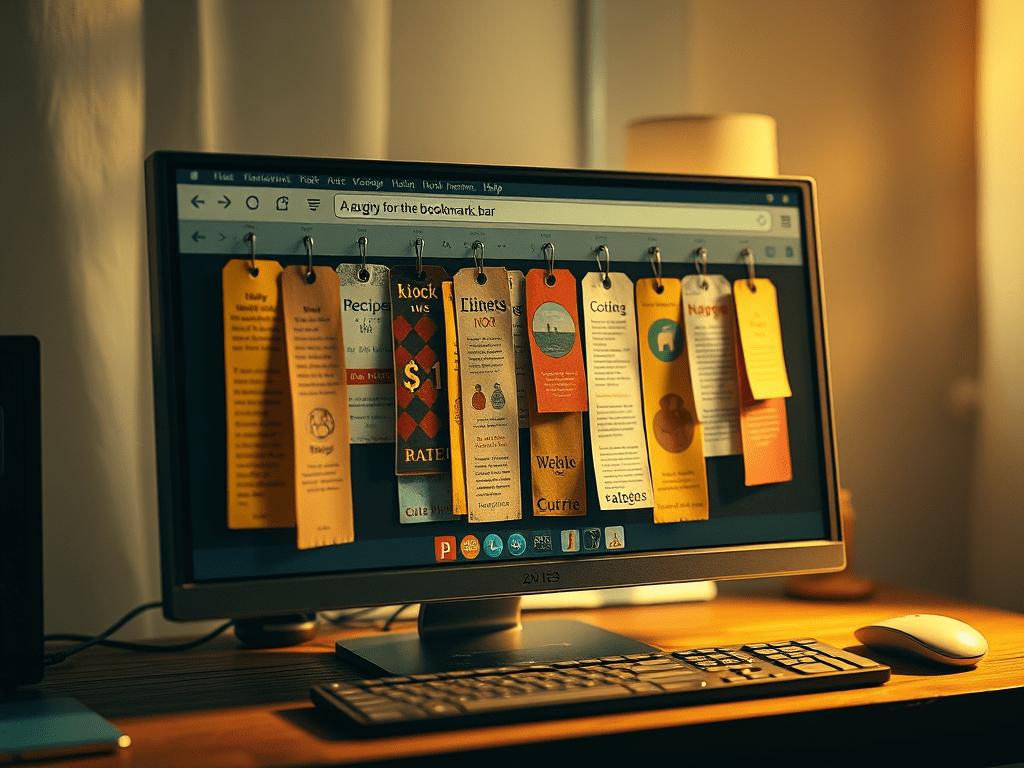
Ada’s legacy isn’t just in code, it’s in mindset. Today, every time we debug, iterate, or push pixels across a screen, we’re walking a path she first mapped. And for me, that’s kind of comforting: somewhere between coffee-fueled coding sessions and my thousand open tabs, Ada is smiling, nodding, probably writing a haiku about my CSS.
Want to mix a little poetry with your programming? Subscribe to the blog for quirky tech tales, casual dev musings, and a peek behind my thousand open tabs.

 Days in the Life of Mo
Leave a Reply