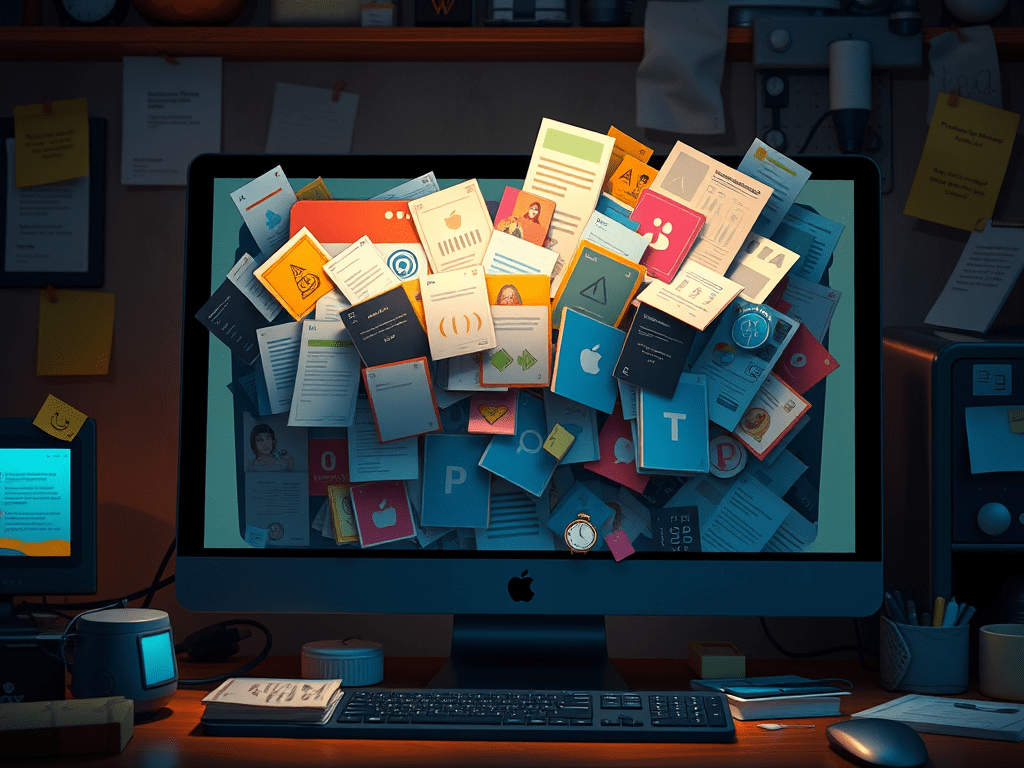
Let’s not lie to each other.
You know the folder.
The one quietly growing in the background. The one you never open unless absolutely necessary. The one filled with receipts, half-formed thoughts, accidental screenshots of your lock screen, memes you swore you’d send to someone, and evidence you didn’t ask to archive.
Yes.
That screenshot folder.
It was supposed to be temporary
Every screenshot starts with good intentions.
“I’ll need this later.” “Let me remember this.” “I’ll organise it after work.”
Reader, we never organise it.
The folder becomes a digital junk drawer, except instead of batteries and mystery keys, it holds:
- bugs you meant to fix
- tweets that hit too close to home
- bank balances captured during moments of bravery
- reminders of conversations you weren’t ready to forget
And somehow… it keeps everything.
The screenshot folder is modern memory
Cognitive scientists will tell you that humans offload memory onto external tools all the time. It’s called cognitive offloading, using the environment to reduce mental load.
We write notes. We set reminders. We take screenshots instead of remembering.
That folder isn’t chaos.
It’s a prosthetic brain.
Messy. Unlabelled. Emotionally honest.
As a developer, I respect its refusal to be optimized
Every other part of our digital lives begs to be cleaned, sorted, tagged, versioned.
The screenshot folder says:
“No ❤️”
It resists structure.
It doesn’t care about naming conventions. It ignores your productivity system. It exists outside your Notion boards and your colour-coded calendars.
Researchers studying personal digital archiving have found that people often keep digital clutter on purpose because it preserves context and emotion, not just information citeturn2.
Turns out mess is sometimes the point.
What we hide there (but don’t delete)
Screenshots are proof.
Of things we saw. Of things we felt. Of things we didn’t know how to deal with in real time.
We screenshot compliments. We screenshot arguments. We screenshot moments that felt important but didn’t come with instructions.
Deleting them feels… final.
So we don’t.
A gentle question for you
If someone opened your screenshot folder right now
What would they learn about you that your bio doesn’t say?
You don’t have to answer publicly (unless you want to be brave). But I’d love to know what lives in other people’s quiet digital corners.
Drop a comment if you’re willing.
Want more posts like this?
If you enjoy thoughtful tech writing that notices the small, human details, subscribe. I write about life as a developer, digital habits we don’t talk about, and the quiet corners of the internet we all pretend not to see.

 Days in the Life of Mo
Leave a Reply