
Let’s talk about something we all do but don’t talk about:
You visit a website and that banner pops up:
“This site uses cookies to improve your experience. Accept All?”
And without even reading, you click Accept All faster than someone skipping a YouTube ad. No shame, I’ve done it too.
But why? Why are we all out here accepting digital snacks we don’t even understand?
The Cookie Confusion
Cookies aren’t actual cookies (sadly). They’re small text files stored in your browser to track your activity.
Some are helpful:
– Remembering your login
– Keeping items in your cart
Others? Not so much.
– Tracking what you click
– Selling your data to advertisers
– Showing you that exact pair of shoes 300 times in one day
But here’s the thing:
The way these banners are designed, you’re not really being asked to make a choice. You’re being nudged.
UX Manipulation 101: “Dark Patterns”
Ever notice how the “Accept All” button is big, bright, and bold, but “Cookie Settings” is tiny and grey and looks like a trap?
That’s not an accident. That’s called a dark pattern.
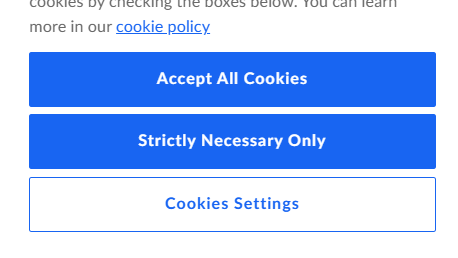
It’s UI/UX psychology at its finest (or worst, depending on how you look at it). Designers use these tactics to guide your behavior, often away from protecting your privacy.
Because let’s be honest… who has the time to read through 17 toggle switches and 5 different cookie categories?
Why You Keep Clicking “Accept All” (It’s Not Just You)
Here’s why:
- Decision fatigue = You’re tired. You just wanted to read one article, not do a mini GDPR compliance exam.
- FOMO = You’re scared the site won’t work properly if you click “Reject.”
- Trust = It’s a “trusted” brand. Surely, they won’t do anything shady… right?
- Time = You’re on mobile, in a queue, dodging sunlight, and this is not the moment to debate data ethics.
What Can You Do?
Here’s the bare minimum I recommend (with non-stressful effort):
– Click “Cookie Preferences” instead of “Accept All”
– Leave only “Essential” cookies enabled
– Use a browser that respects your privacy; Brave, Firefox, or even Chrome with extensions like uBlock Origin
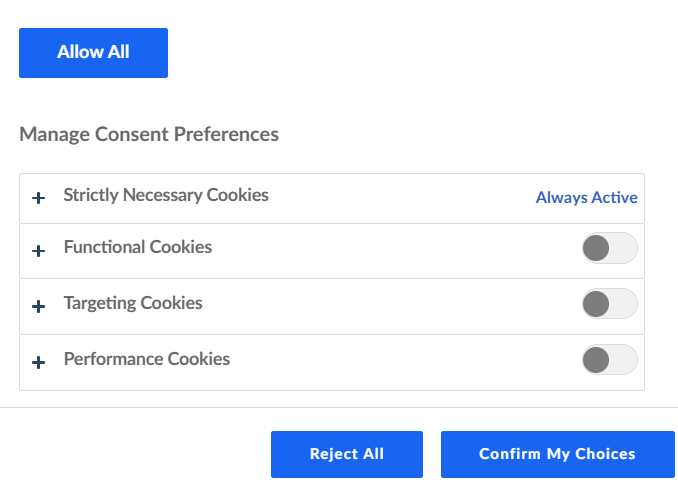
Privacy isn’t about being secretive, it’s about having a say.
You wouldn’t let a stranger follow you around the mall, writing down every store you enter. But online? We allow it daily, often without knowing.
So the next time that cookie banner shows up, pause.
Ask yourself:
“Do I really want to share all this info just to check the weather?”
You probably don’t.
But if you do, at least now, you know what you’re agreeing to.
Subscribe to Mo’s blog to stay updated on my latest posts, tips, and insights for developers and tech enthusiasts. Don’t miss out—join the journey today!



 Days in the Life of Mo
Leave a Reply to mitchteemley Cancel reply