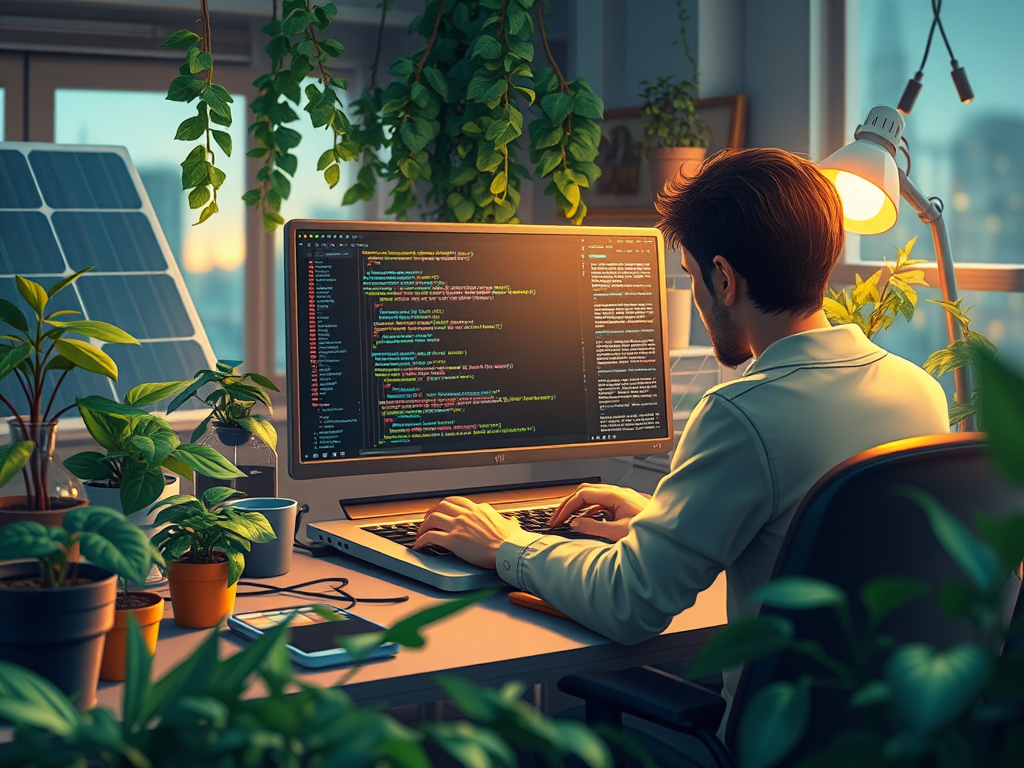
There’s this myth that developers don’t really have a carbon footprint. Like, we sit behind our screens all day sipping iced coffee, tapping away at keyboards, and the planet just… doesn’t notice. But here’s the truth: the internet isn’t floating in the sky like some magical Wi-Fi cloud. It’s running on actual physical infrastructure; massive data centers, energy-hungry servers, and cooling systems that work harder than me during deadline week.
According to the International Energy Agency, data centers and data transmission networks account for about 1–1.5% of global electricity use; and that number’s climbing. If the internet were a country, it would be one of the biggest polluters out there. 😬
So, the question is: can developers actually code in ways that are kinder to the planet? The answer is yes. Enter green coding practices.
1. Write Cleaner, Leaner Code
Messy code isn’t just a nightmare for the next dev who inherits your project; it can also increase CPU cycles, memory usage, and energy demand. Every unnecessary loop or redundant line means more processing power, which means more electricity.
Think of it as decluttering your codebase Marie Kondo–style. If it doesn’t spark efficiency… delete it.
2. Optimize Algorithms (Because Time is Energy)
Remember in school when we thought Big O notation was just a cruel math prank? Turns out, it matters. Efficient algorithms = less processing = less energy.
A 2022 study even showed that algorithm efficiency can dramatically cut computing emissions, in some cases by over 90% 2. Suddenly, your CS professor is looking like Captain Planet.
3. Go Dark Mode (Seriously)
Dark mode isn’t just about vibes. On OLED screens, black pixels use less energy than white ones. So yes, your aesthetic choice is actually saving the planet (in small doses). You’re basically an eco-hero every time you code with VS Code’s Dracula theme.
4. Host Smart
Not all web hosting is created equal. Some providers, like GreenGeeks or Google Cloud (which has been carbon neutral since 2007), run on renewable energy or offset their emissions. Choosing the right host is like choosing between a diesel-guzzling generator and solar panels. Easy pick.
5. Think About What You’re Building
Do you really need that website feature that autoplays HD video ads the second someone loads the page? Probably not. Every MB matters. The lighter your app or site, the less energy it takes to load and run. Minimalism isn’t just chic; it’s green.
Why This Matters
Coding is powerful. We may not be out there planting trees (though, respect if you are), but every choice we make in software ripples outward. Millions of users multiplied by inefficient code equals a giant, invisible carbon footprint. On the flip side, efficient, mindful coding can help chip away at tech’s climate impact.
The planet doesn’t need us to be perfect; it needs us to be better. And if better starts with writing a cleaner for loop, I’m all in.
So next time someone asks you what you’re doing to fight climate change, you can casually say: “Oh, just saving the planet one line of code at a time.” (Then dramatically put your hoodie on and sip your oat milk latte).
Like this post? Stick around. Subscribe to my blog for more dev stories, tech rambles, and occasional planet-saving pep talks. Think of it as less doomscrolling, more code-and-coffee scrolling.




 Days in the Life of Mo
Leave a Reply to Toluwani Majaro Cancel reply